ORIGINAL SHORT FILM · 2026
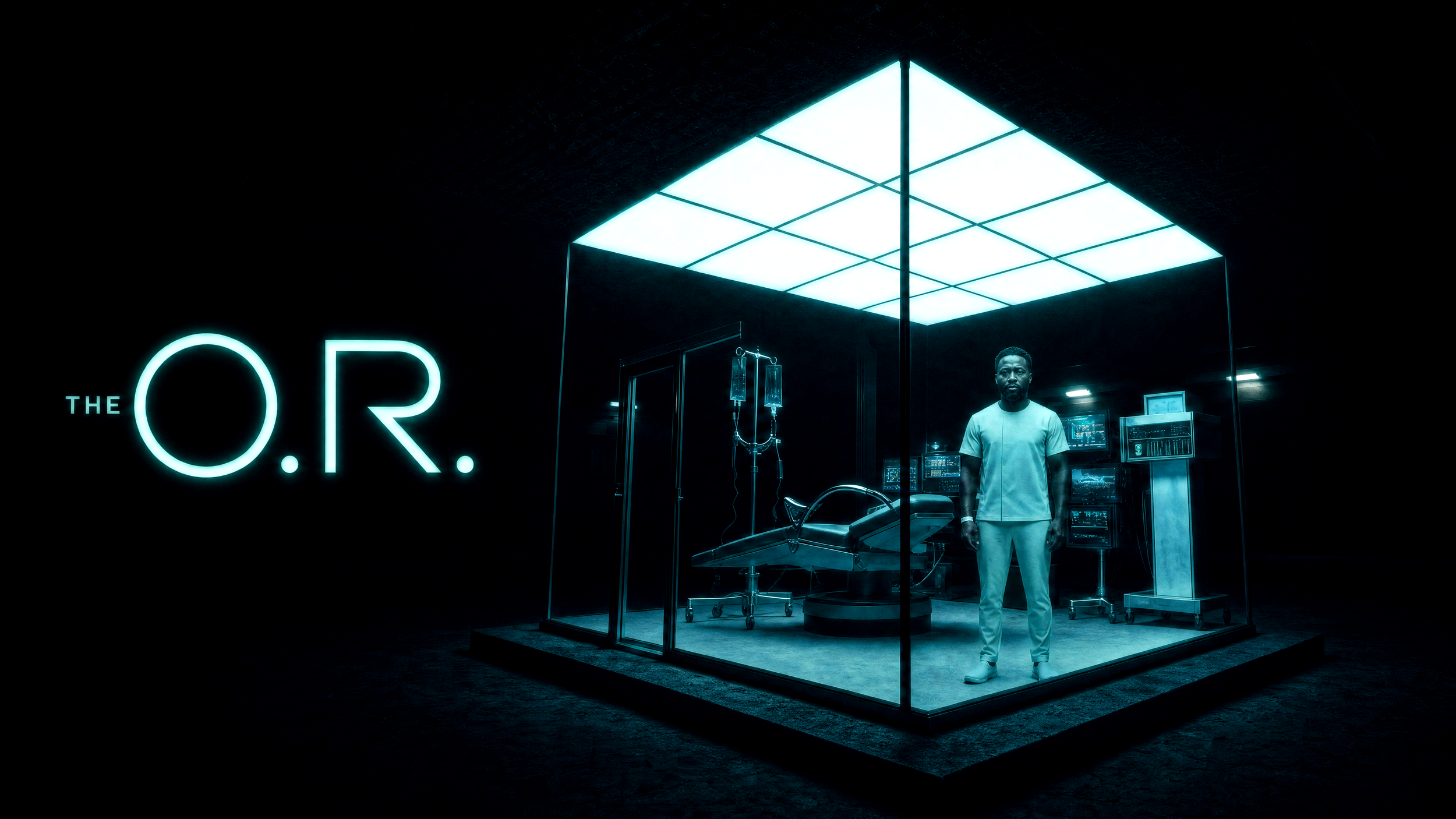
THE O.R.
A cold, clinical descent into a fractured reality where brass micro-insects and surgical restraint unravel a man’s fragile escape.
PSYCHOLOGICAL SCI-FI / ELEVENTHIRTEEN MEDIA
THE STORY
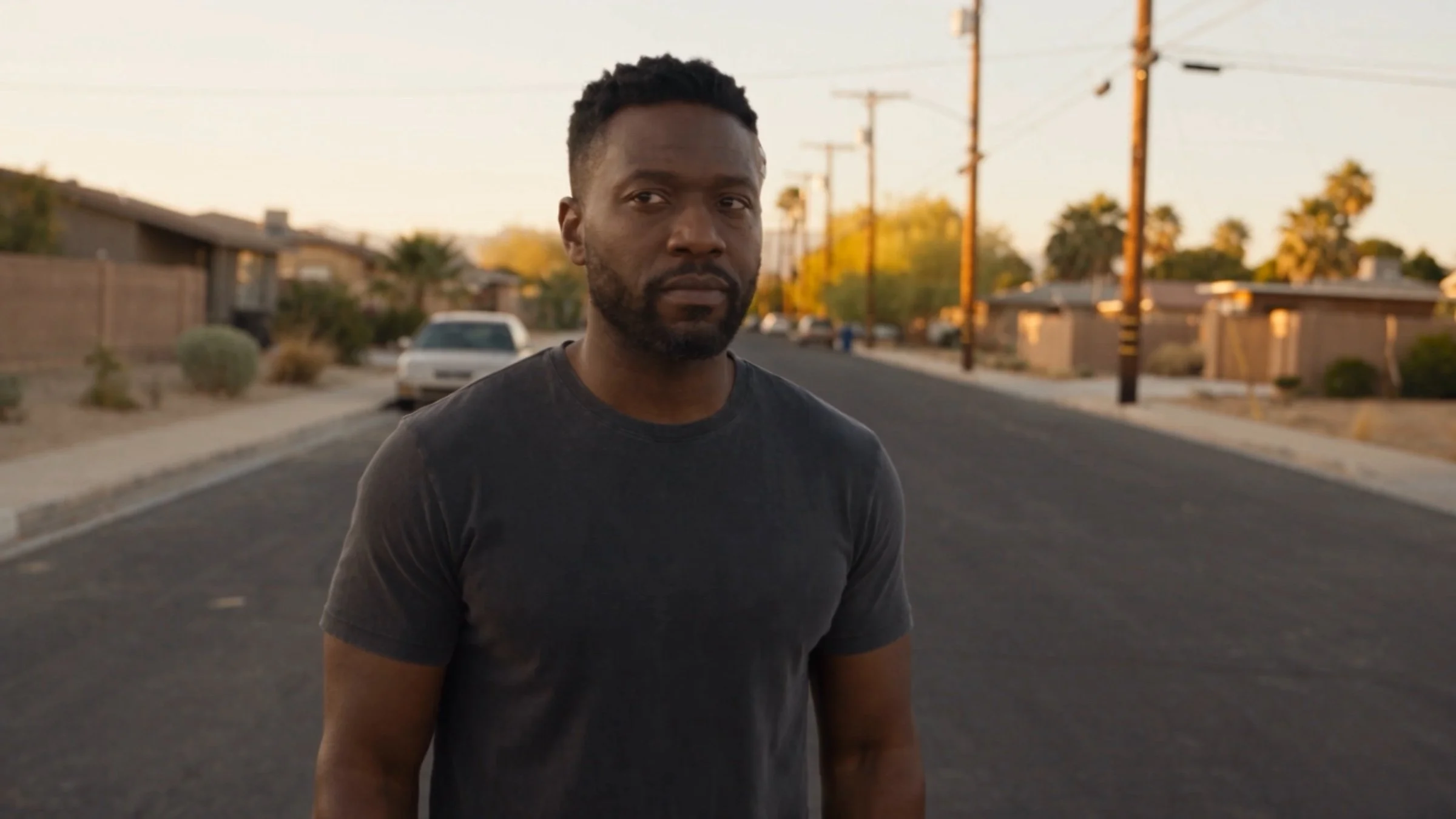
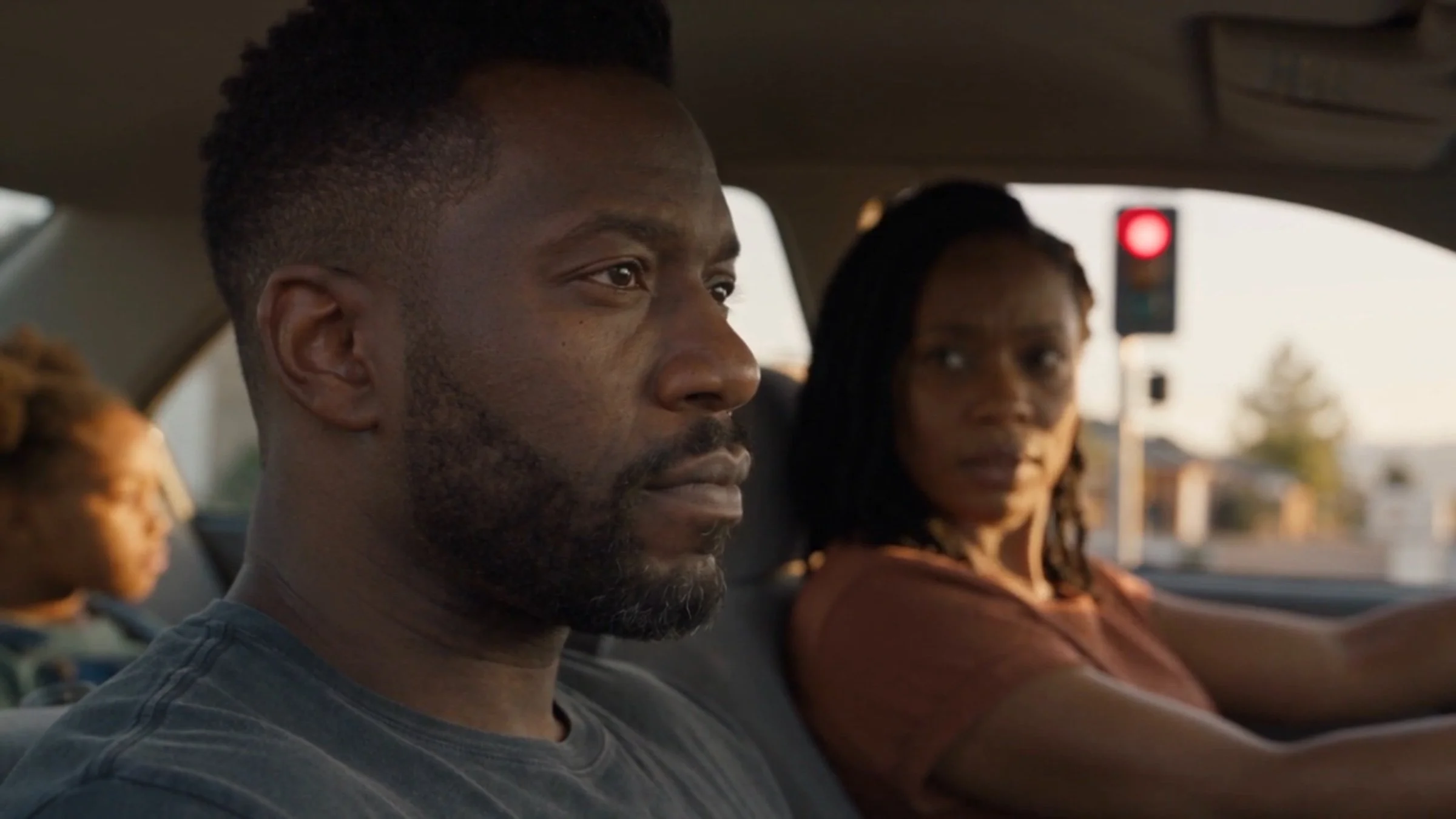
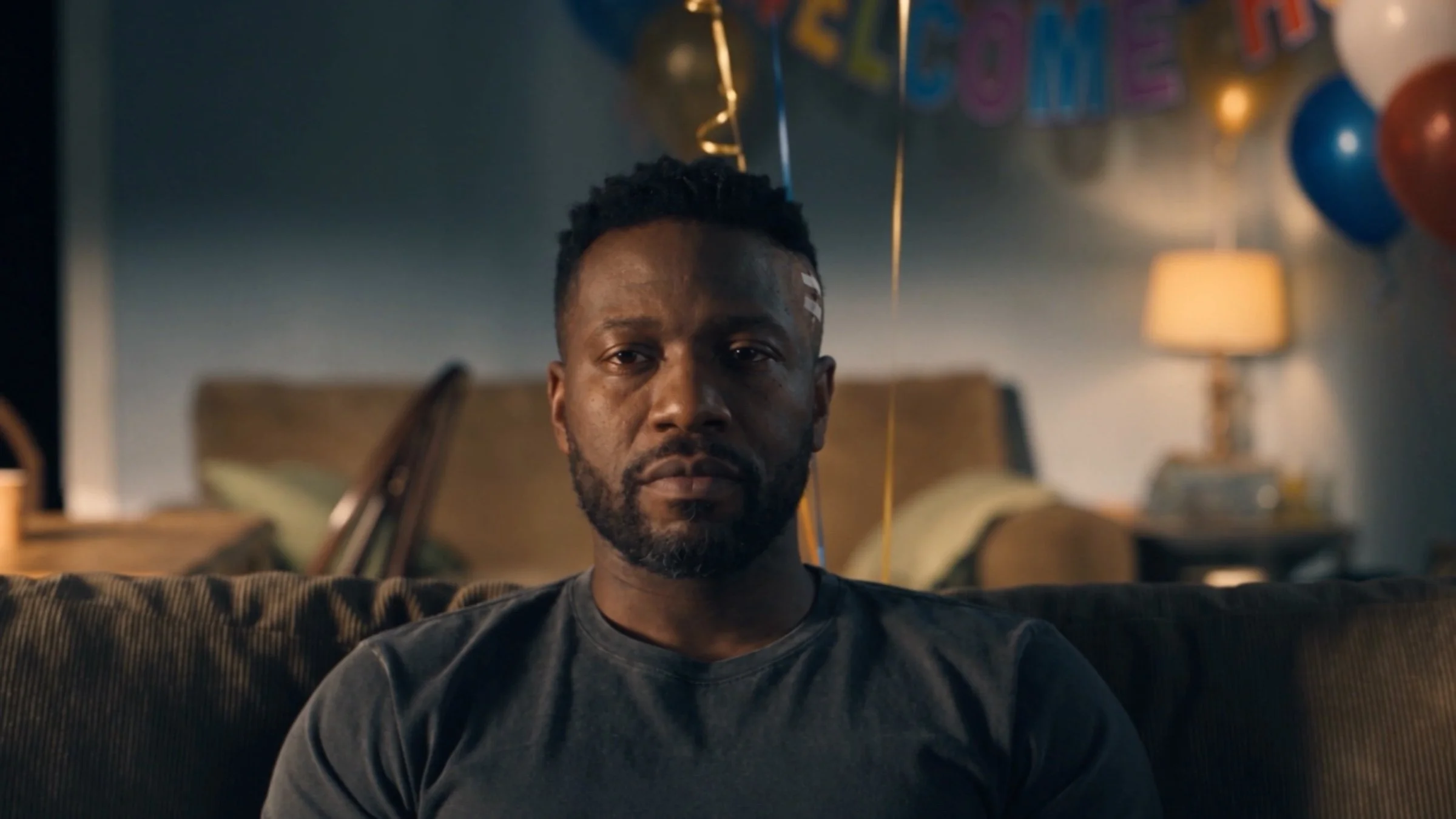
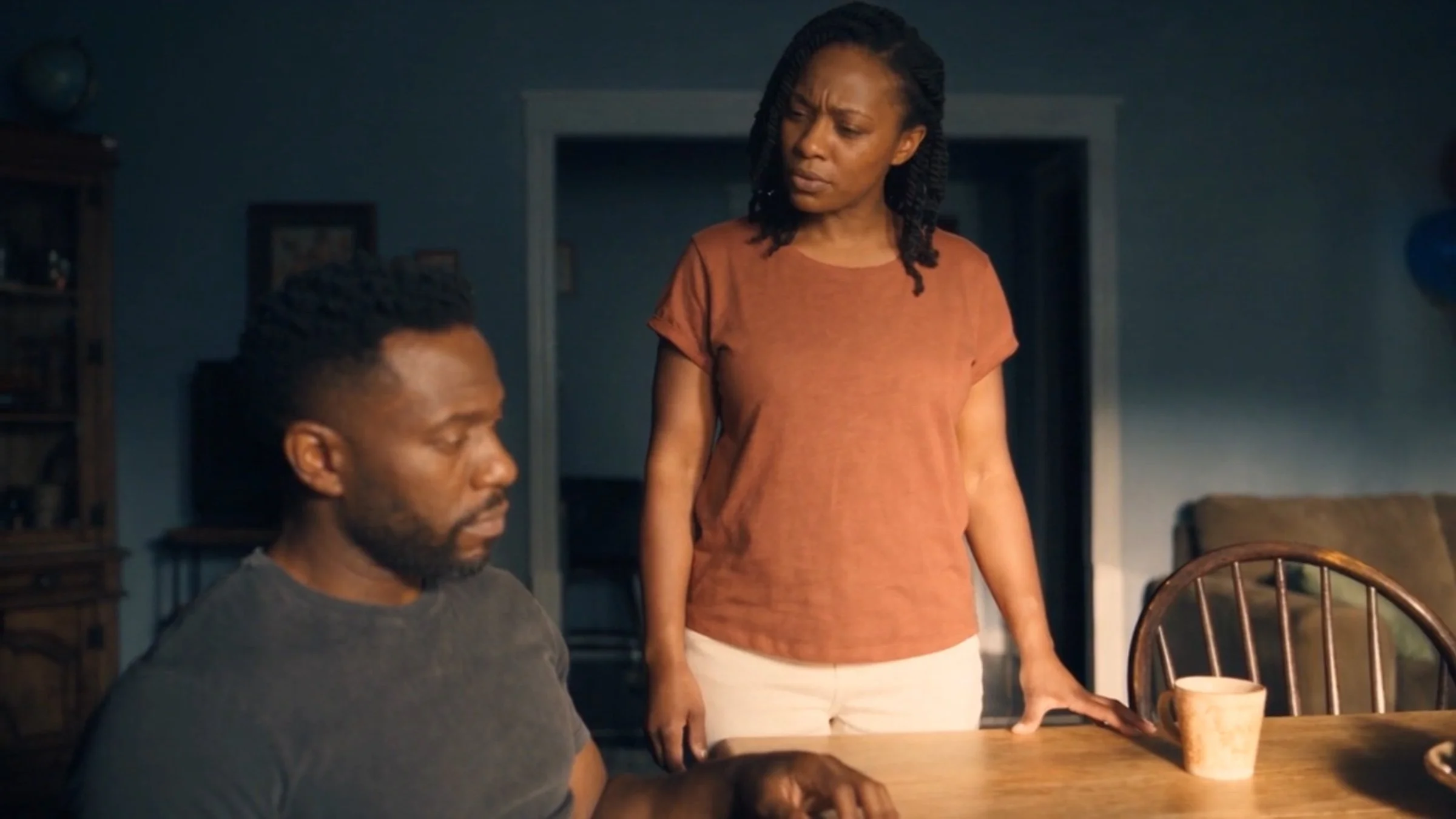
A man wakes to a wife, a daughter and a life that feels like his own. After a mysterious procedure, coming home should mean recovery. Instead, familiar places begin to feel rehearsed.
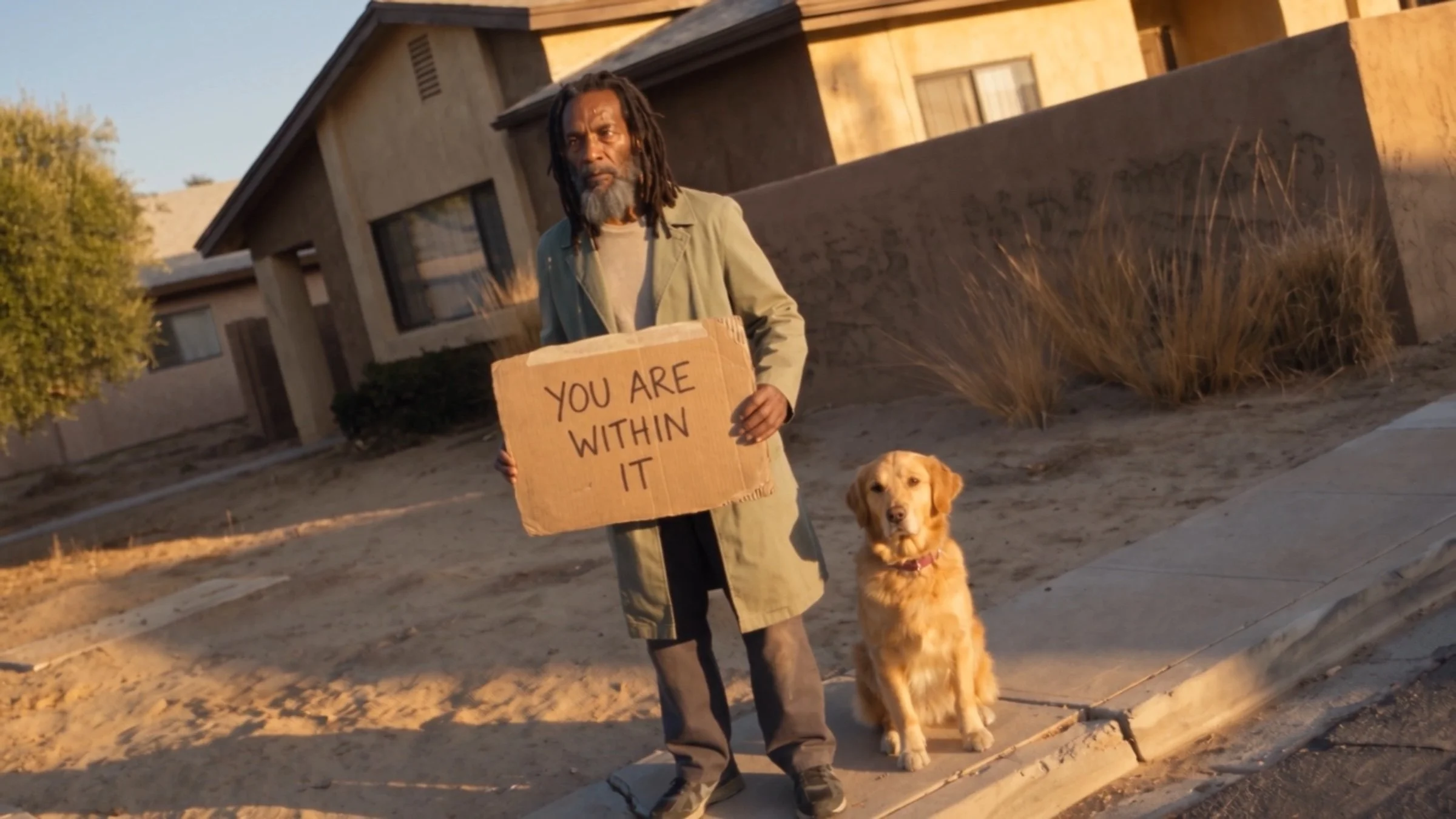
A broken radio transmission. A stranger with a dog. A memory he cannot reach. As the world around him slips, he begins to question what he has been released into.
THE DISTANCE BETWEEN
RELEASE AND FREEDOM.
AN ELEVENTHIRTEEN MEDIA FILM
Psychological science fiction shaped through clinical restraint, fractured sound and the uneasy warmth of home.
Created with Higgsfield AI and Seedance 2.5, with Nano Banana character and prop development and Seedream 5.0 Pro environments.
THE EXPERIMENT
AN AI-NATIVE FILM, HUMAN-DIRECTED FROM CONCEPT TO FINAL CUT.
THE CHALLENGE
Could a five-minute psychological science-fiction film feel authored, cinematic and emotionally coherent when every person, place, prop and moving image was developed through generative production?
THE O.R. was created for the Higgsfield Global Film Festival under a 48-hour production window, a little over 4,000-credit ceiling and ten production blocks of up to thirty seconds each.
THE RESULT
A complete AI-native short built without a physical cast, location shoot or traditional camera package. The goal was to push generated imagery toward controlled performances, repeatable identities and a finished cinematic language.
4 MIN 43 SEC · 10 PRODUCTION BLOCKS
AI-NATIVE PRODUCTION · WRITTEN, DIRECTED AND EDITED BY TRÉVON JAMES · 2026
THE VISUAL SYSTEM
DESIGNING CONSISTENCY BEFORE MOTION.
CHARACTERS AS PRODUCTION ASSETS
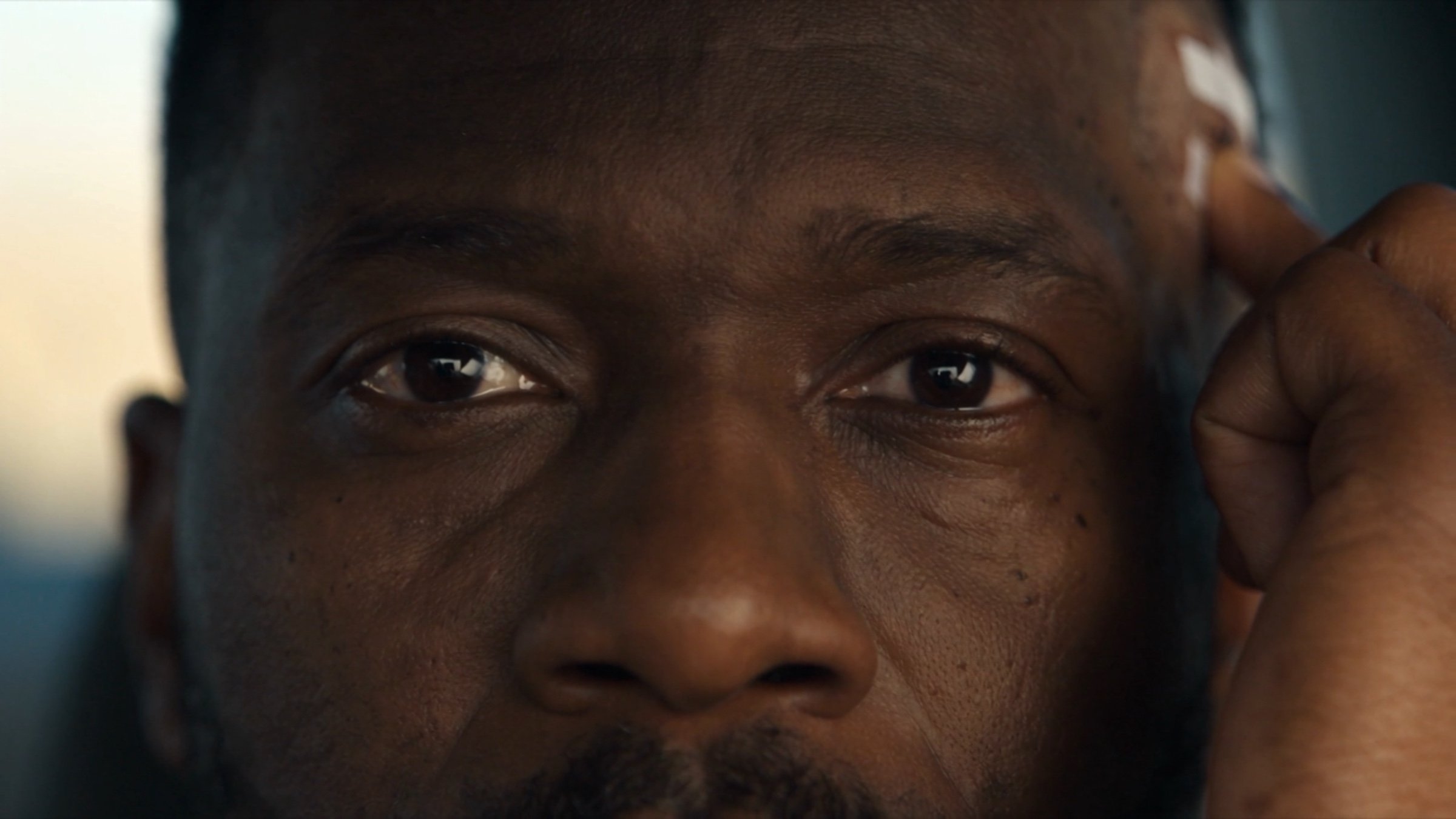
Subject 1113, his constructed family, the preacher, the medical staff and the golden retriever were designed as reusable visual identities before animation began. Character sheets locked faces, bodies, wardrobe, scars and silhouettes across close-ups, full-body views and reverse angles.
A WORLD WITH TWO TEMPERATURES
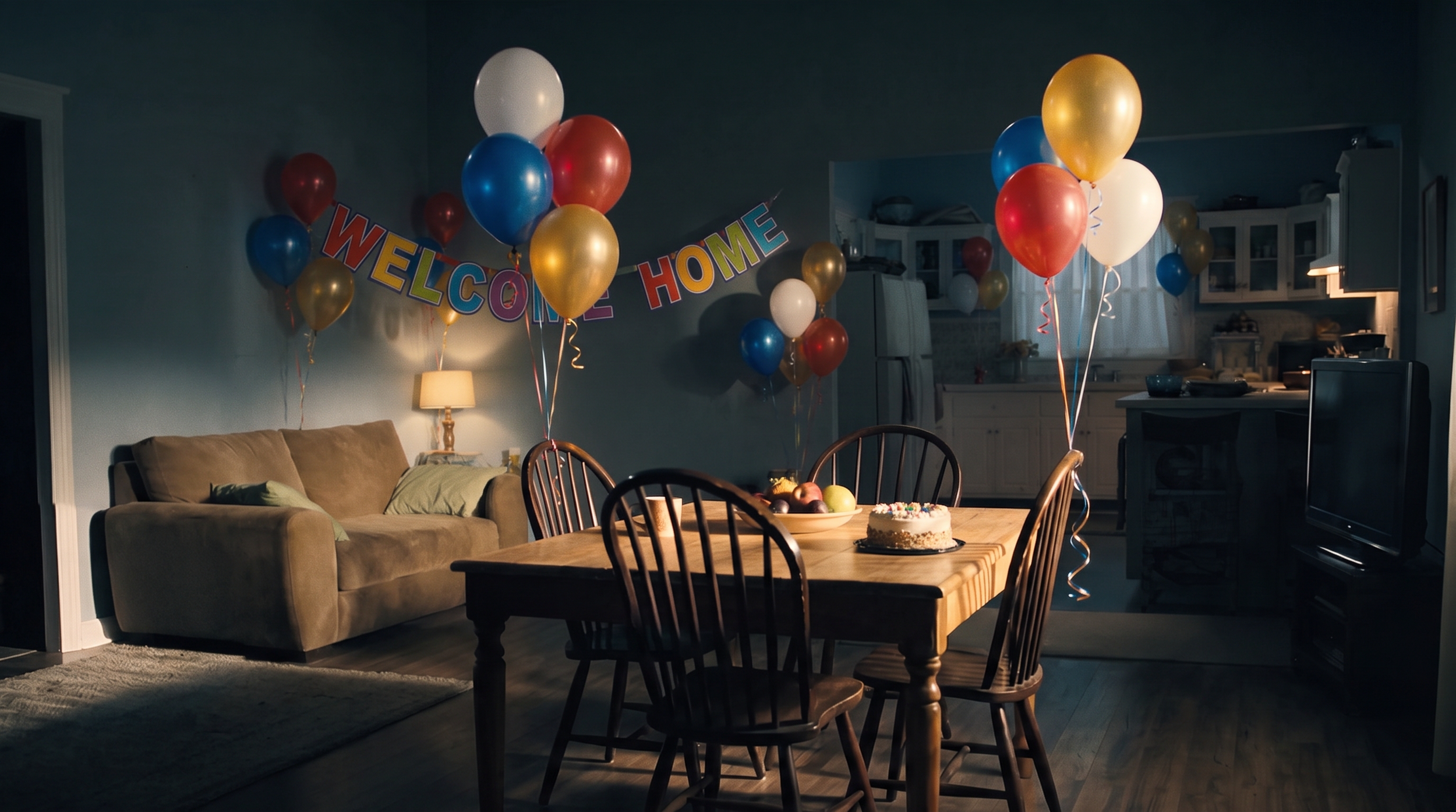
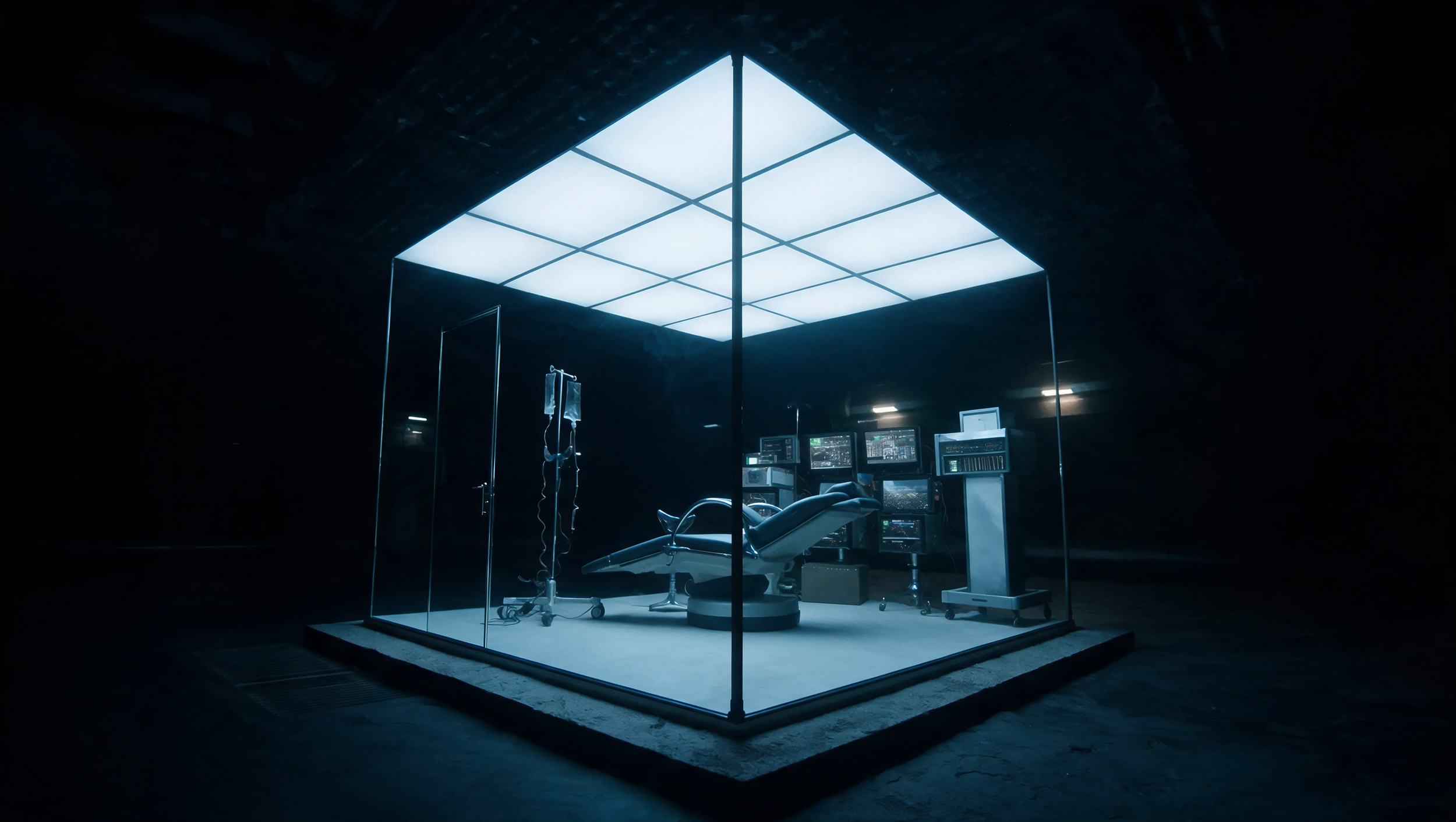
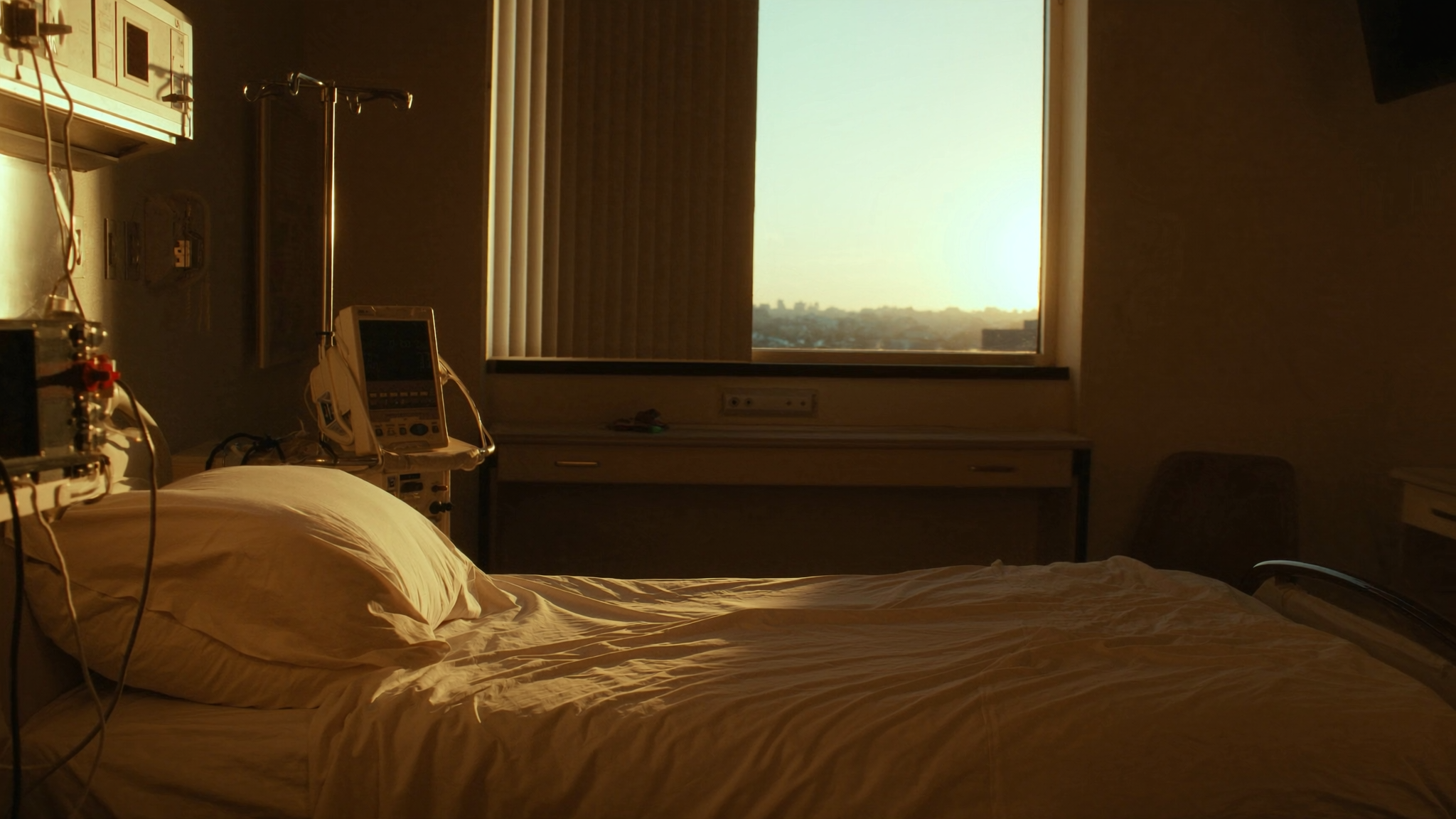
The O.R. is cold, blue-black and clinical. Golden City is warm, domestic and almost believable. Locations, props and the brass nanotechnology were built as standalone elements so every shot could inherit the same visual logic.

THE PIPELINE
FROM STILL IMAGE TO FINISHED FILM.
01 — BUILD + DIRECT
Nano Banana established characters, props and reusable production elements. Seedream 5.0 Pro developed locations and scene frames. Higgsfield and Seedance 2.5 translated those assets into performance. Prompts specified eyelines, emotion, camera height, lenses, cuts, physics and sound—not only what appeared in frame.
02 — EDIT + SOUND
The strongest generations were shaped into a five-minute structure in CapCut, then unified through pacing, radio interference, medical beeps, an original Suno score and the final flatline. Sound carries the fracture before the image confirms it.
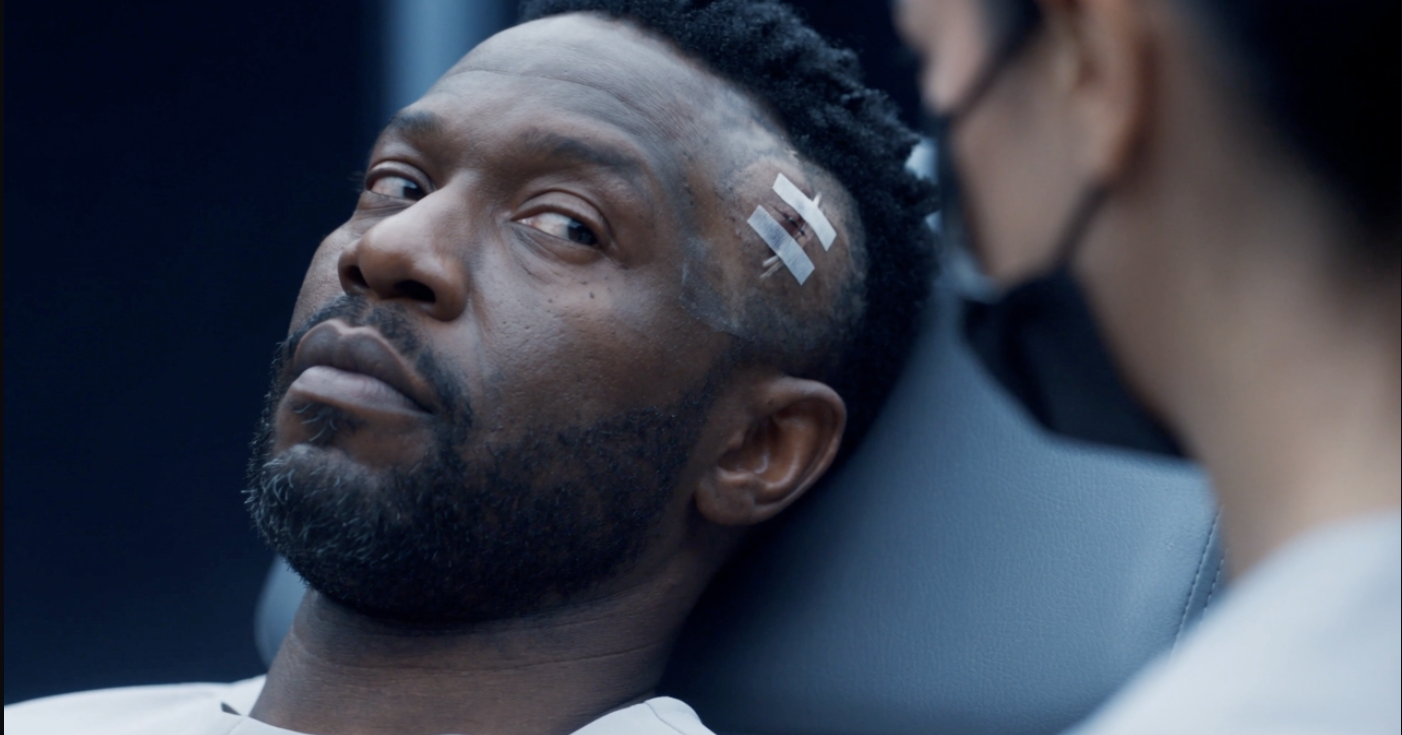
SELECTED DIRECTION EXCERPT — SEEDANCE 2.5
The scene was developed through controlled instructions covering performance, eyelines, physical restraint, environmental continuity, lighting and sound. Detailed identity specifications and production parameters have been withheld to protect the film’s proprietary visual system.
Cold blue-white clinical lighting. Subject 1113 remains fully conscious as he struggles against the procedure chair. Restraints respond with credible physical tension. The insider places a worn toy dog into his palm. His performance shifts from fury to momentary recognition.
THE HUMAN WORK
DIRECTION HELD THE FILM TOGETHER.
AUTHORSHIP
Trévon James developed the original concept, story, characters, dramatic structure and visual language of THE O.R. Generative systems produced the source imagery under detailed human direction. Every performance, composition, identity requirement, sound cue and narrative beat was selected, revised and assembled into the finished film through human creative judgment.
Hundreds of generated fragments were evaluated, rejected, restructured and edited into a single dramatic work. The finished film’s authorship lives in its screenplay, direction, selection, arrangement, pacing, sound design and final edit.
THE LESSON
The hardest problems were continuity, restraint and dialogue control. More detail did not always make a better generation. The strongest prompts behaved like shot instructions: one performance beat, one eyeline and one clear piece of physical action at a time.
THE OUTCOME
AN AI FILM CAN CARRY CHARACTER, AMBIGUITY AND DREAD.
THE O.R. became proof that generated cinema can move beyond spectacle. A disciplined visual system kept Subject 1113, his family, the preacher and the golden retriever coherent while the world around them became less trustworthy.
Every tool served the same idea: freedom can be another form of containment. The finished film pairs controlled imagery with fractured sound to leave the audience inside his uncertainty.